Skip to content
AkuvuPowerline

Buying guide

What generator does a construction site actually need?

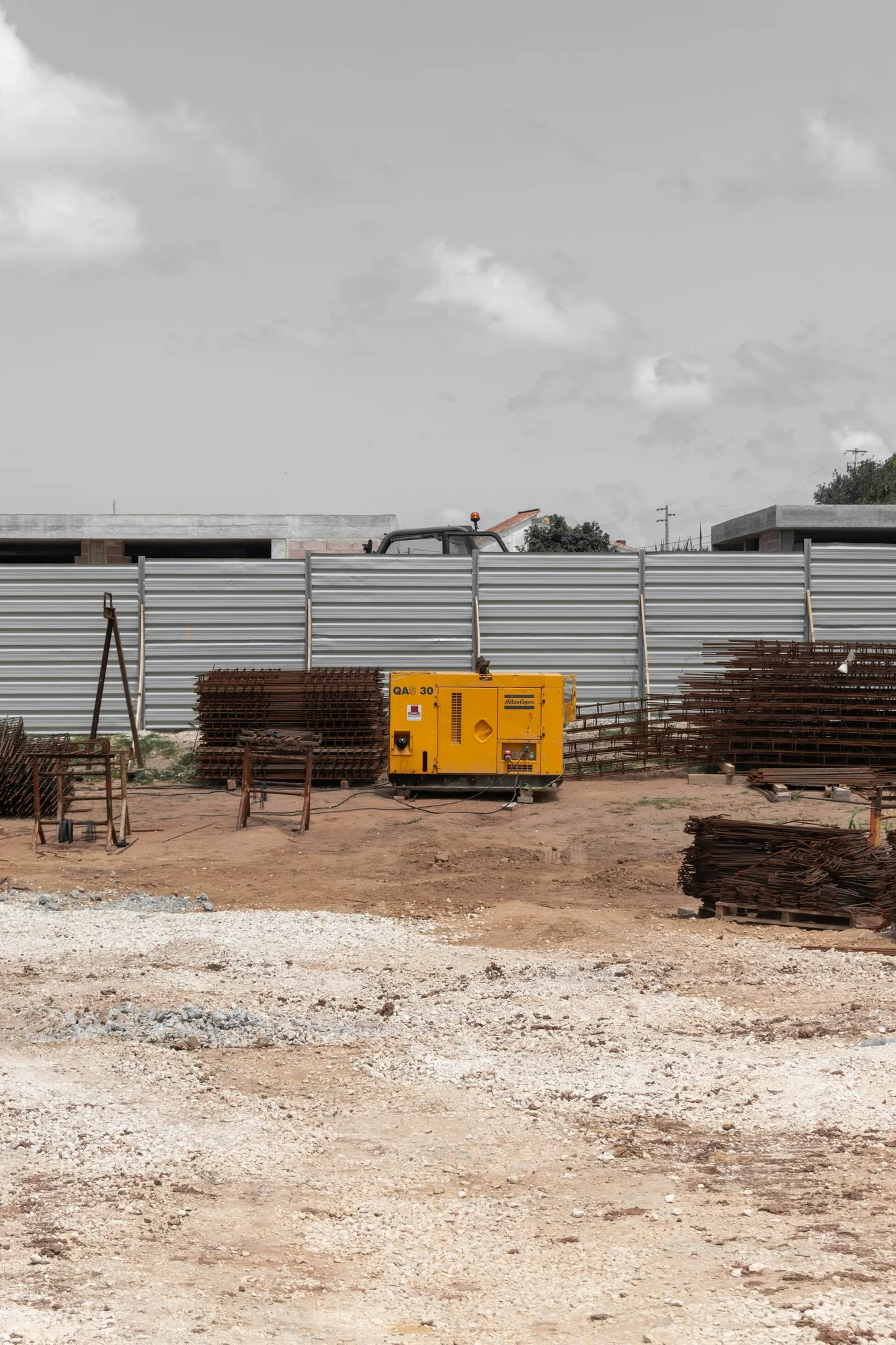
A site generator lives a harder life than almost any other installation: moved between locations, run on uneven ground, exposed to dust and weather, and expected to start reliably every morning regardless of how it was treated the day before.

Recommended

Sizes that suit a site

A starting shortlist, not the only options — every one of these can be sized up or down once we know your exact load.

What follows is how a set for a construction site differs from one going into a building, and what tends to actually matter once work starts.

Power tools change the sizing conversation

A site load is dominated by motors — mixers, vibrators, angle grinders, pumps for dewatering, sometimes a small tower crane or hoist — and motors surge hard on starting, often several times their running current for the first moment.

The practical effect: a site with several of these tools, especially if more than one can start together, needs meaningfully more headroom than the sum of their nameplates suggests. Lighting towers and welding sets are steadier loads but still add up once several are running through a night shift.

Sizing is done against your actual load, not a rule of thumb. Send us the list of what has to keep running and we will work out the rating.

Ruggedness matters more than quiet

A set going into a hospital or a church hall is chosen partly for how little it can be heard. A set going onto a site is chosen for how well it survives being moved, refuelled in the open, and run on ground that is not level.

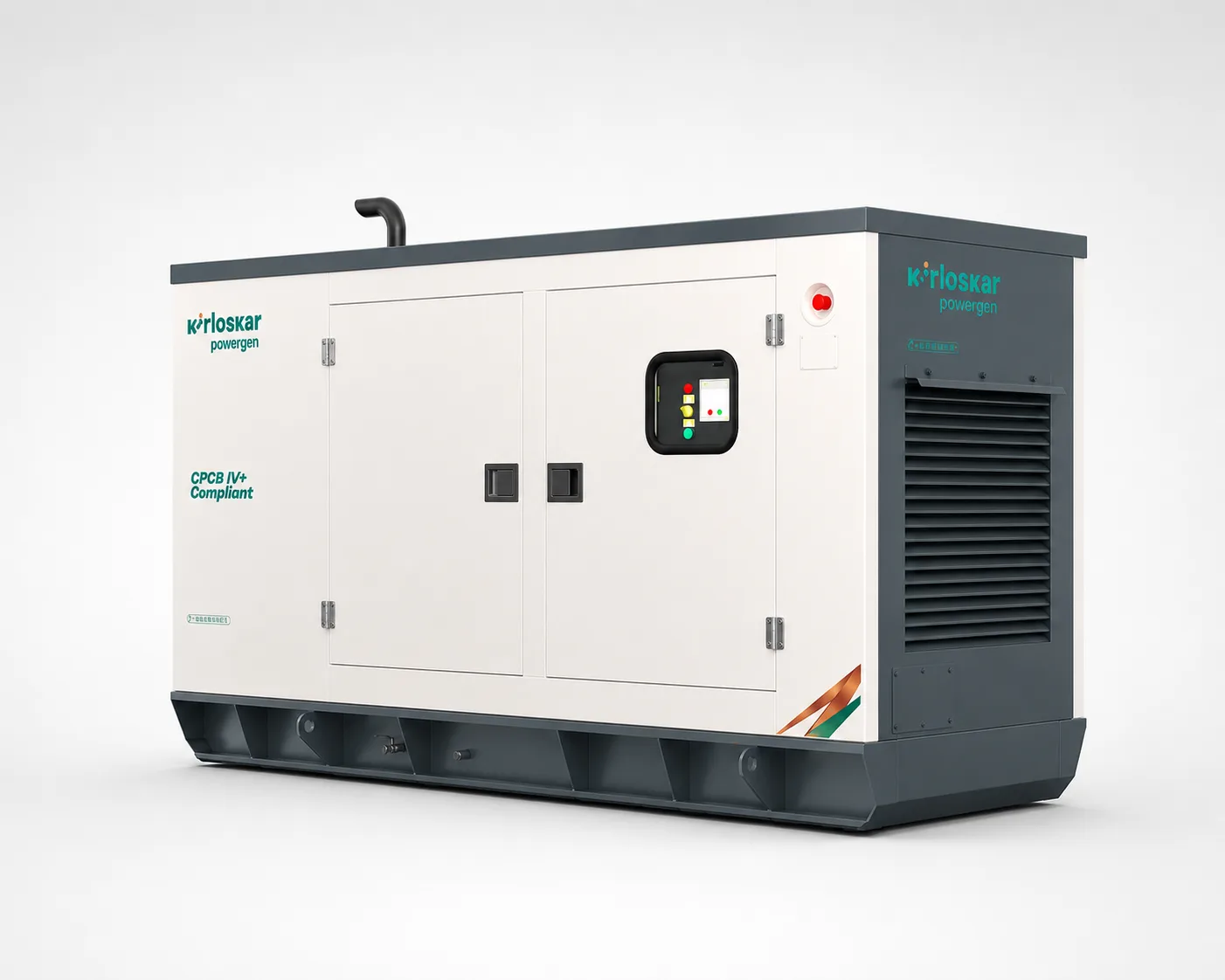
A skid-mounted or trailer-mounted set with a robust base frame is usually the right call over the acoustic-canopy configuration used for institutional work — the canopy adds cost and weight for a noise concern that matters less on an open site, and can make the unit harder to move as work progresses.

The set moves; plan for that

Unlike a standby installation, a site generator does not sit in one place for its working life. Fuel access, a stable and reasonably level base at each new position, and cable runs long enough to reach the actual work all have to be worked out fresh as the site progresses — not just specified once at the start.

A set that is awkward to reposition ends up staying in the wrong place because moving it is a job in itself. Worth weighing at purchase, not after the first time it has to move.

Duty cycle: how many hours a day, realistically

Some sites run a generator for a few hours around specific tasks; others run one for most of a working day, day after day, for months. The second case is closer to continuous duty than standby, and the set — and its maintenance schedule — should be chosen with that in mind rather than assuming light, occasional use.

Common questions

What size generator does a construction site need?
It depends on the tools and equipment running at once, with extra headroom for whichever motors start together — a mixer and a dewatering pump starting simultaneously draw far more than either running alone. Send us the equipment list and we will size it.
Does a site generator need an acoustic canopy?
Usually not to the same degree as an institutional installation. A robust, skid or trailer-mounted set built to survive being moved and run outdoors is generally the better fit for a site than the quieter, heavier canopied configuration used near occupied buildings.
Can the same generator run every day for months?
Yes, if it is specified and maintained for that duty. A set running most of a working day for an extended period is closer to continuous duty than standby use, and the service interval should reflect that from the start rather than being adjusted after something wears out early.
CallWhatsApp