Skip to content
AkuvuPowerline

Buying guide

What generator does a school or college in Nagaland actually need?

A power cut in a college is not an inconvenience, it is a stopped lesson. Examinations run to a clock, laboratory equipment does not like being interrupted mid-experiment, and a computer lab full of machines going dark at once can cost work that took a term to produce.

This is the single largest group in our installed base — schools and colleges across Dimapur, Chümoukedima, Tuensang and beyond. Below is how these institutions are usually sized, in plain terms, and what tends to matter once the set is actually on site.

Start from what must not stop

The first question is never "how big a generator". It is "what has to keep running". Most institutions split their load into two lists: the things that genuinely cannot stop, and the things that would be nice to keep.

A set sized only to the first list is smaller, cheaper to run, and easier to place. A set sized to the whole building spends most of its life lightly loaded, which is wasteful and, on a diesel engine, actively bad for it.

Almost always essential
Classroom and corridor lighting, fans, the computer laboratory, the server or network cabinet, water pumps, and the office equipment that examinations depend on.
Often essential
Science laboratory equipment, hostel lighting and water supply, kitchen refrigeration, and security lighting after dark.
Usually deferrable
Air conditioning across the whole campus, workshop machinery, and anything that can simply wait until the grid returns.

Why motors decide the rating, not the bulb count

Lights and computers draw roughly what their label says. Motors do not. A water pump or an air conditioner compressor pulls several times its running current for the first moment as it starts, and the generator has to absorb that surge without the voltage sagging enough to trip everything else.

This is why two buildings with the same electricity bill can need very different sets. A campus with several pumps and a lift needs headroom that a campus of the same size without them simply does not.

Sizing is done against your actual load, not a rule of thumb. Send us the list of what has to keep running and we will work out the rating.

Noise is a design constraint near classrooms

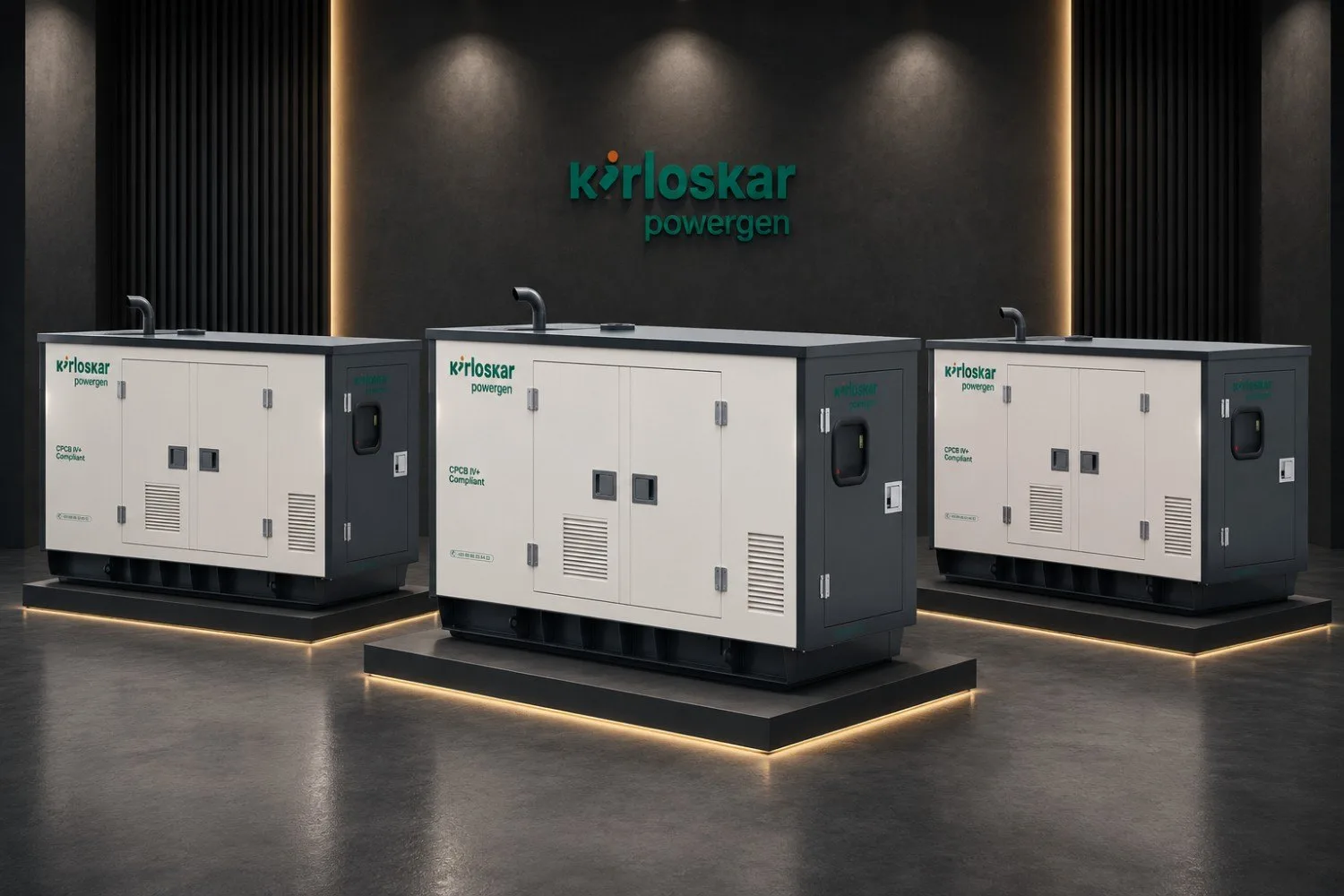
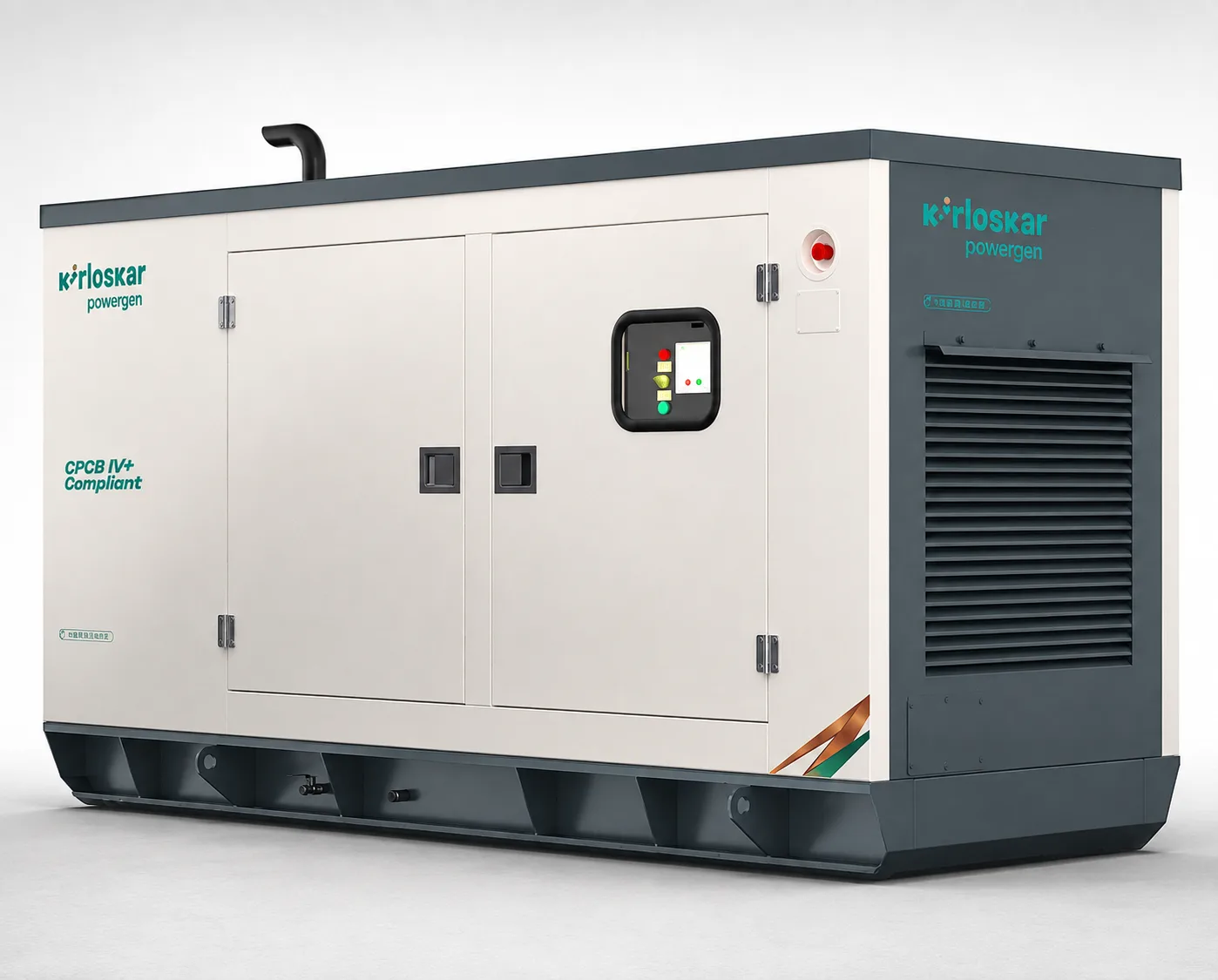
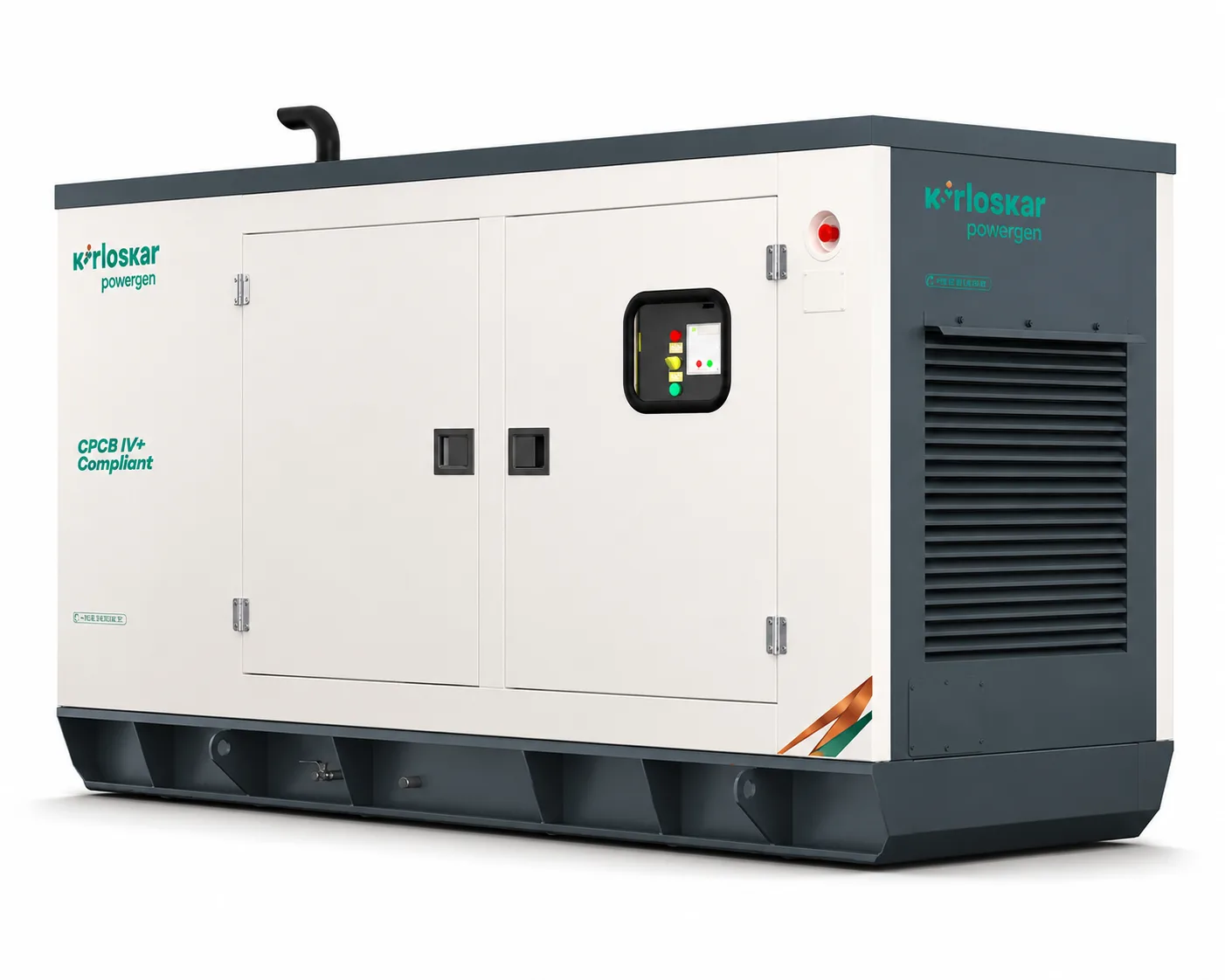
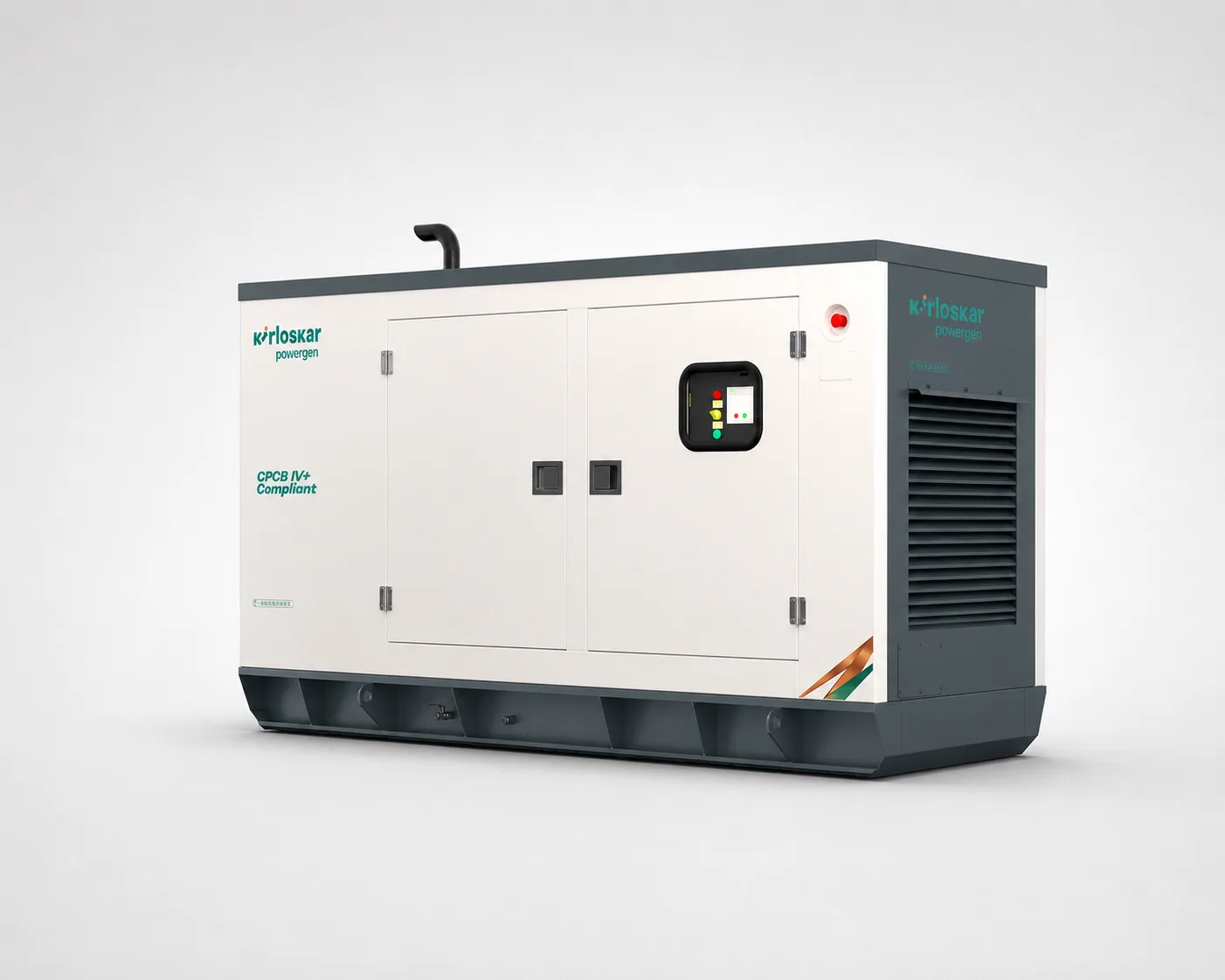
A generator loud enough to be heard through a wall is a generator that will be resented. An acoustic canopy — a sound-insulated enclosure built around the set — is the standard answer, and for a set going anywhere near teaching space it is not really optional.

Placement does as much work as the canopy. Distance, a wall between the set and the nearest classroom, and pointing the exhaust away from occupied rooms all help. It is far cheaper to get this right before installation than to fix it afterwards.

Automatic changeover, and why institutions ask for it

Automatic Mains Failure equipment senses the grid going down, starts the set, transfers the load, and reverses all of it when the grid returns — with nobody walking to the generator room.

For a school this matters more than it sounds. Outages do not schedule themselves around the person who knows how to start the generator, and an examination hall going dark for the ten minutes it takes to find them is a real cost. Manual changeover is entirely workable where somebody is reliably on site; automatic is what most institutions end up choosing.

What to think about after the sale

A standby set spends most of its life not running, which is exactly why it needs attention. Fuel degrades. Batteries go flat unattended. A set that has not been run under load for months is a set nobody should be relying on.

A short monthly run under load, a service interval kept to, and a supplier who can reach the site are worth more over the life of the machine than a small difference in the purchase price. Service in this region means someone who can actually get to Dimapur or Chümoukedima, not a support line routed elsewhere.

Common questions

What size generator does a college in Dimapur need?
It depends entirely on the load you need to keep running, not on the size of the campus. A block of classrooms and a computer laboratory is a very different requirement from a campus with hostels, pumps and kitchen refrigeration. Send us the list of what must stay on and we will size the set against it.
Do we need a silent generator for a school?
If the set is going anywhere near teaching space, an acoustic canopy is strongly recommended. It is the standard configuration for institutional installations and is far cheaper to specify at purchase than to retrofit.
Can the generator start automatically when the power goes?
Yes. Automatic Mains Failure equipment starts the set and transfers the load without anyone present, then hands back to the grid when it returns. Most institutions choose this because outages do not wait for a member of staff to be available.
Do you install and service in Nagaland?
Yes. We are based in Dimapur and Chümoukedima and support installation, maintenance and spares across the region. Contact us for what is covered on a specific model.

Already running

11 schools and colleges on our sets

Every one of these is a delivered installation, listed by name and rated output.

  • Tetso College

    Chümoukedima

    3.3 + 320 kVA
  • SIHM

    Dimapur

    62.5 kVA
  • North Town Higher Secondary School

    Chümoukedima

    62.5 kVA
  • NEISSR

    Chümoukedima

    40 kVA
  • Shalom Public School

    Chümoukedima

    35 kVA
  • St. Clare Higher Secondary School

    Dimapur

    30 kVA
  • Highland Hall Higher Secondary School

    Chümoukedima

    30 kVA
  • KIN High School

    Dimapur

    30 kVA
  • Lewis Academy

    Dimapur

    20 kVA
  • Oracle School

    Chümoukedima

    15 kVA
  • Oriental Theological College

    Tuensang

    10 kVA
See power equipment
CallWhatsApp